In the middle of a crazy schedule
where I’m still doing promotion for Every
Last Secret, I’ve received edits and deadline for the sequel, Every Broken Trust, and I’m writing the
first draft of a third novel, because that’s the way this writing-career thing
works, it turns out. Right now, I’m working out who’s going to die and why in
this new book. I’ve written enough to have several different options to choose
from.
One of the questions I’ve
encountered during events to promote Every
Last Secret is, “How do you decide who to kill in your books?” I’m afraid
I’ve been guilty of giving a less than serious answer to this one when it pops
up.
This question is made for jokes and humor—“Whoever’s pissed me off lately”
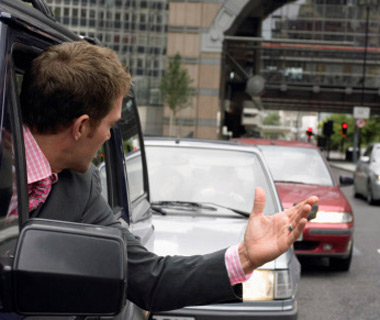
and “You know that guy who hops lanes without signaling and cuts you off in
traffic?”—and I’ve too often settled for what will please the audience and make
them laugh. But it’s a serious question and deserves better than that.
How do you decide who to kill off in
your books? I would like to say I have a rule to live by in this circumstance,
only pedophiles or crooked politicians, but I don’t. Some of the people who die
in my books are perfectly nice, ordinary people, some are crooks, and some are
truly evil (they usually only die at the very end while trying to kill my
protagonist). Isn’t that the way it happens in real life?
We’d always like to think that a
murder victim must have done something to bring it on himself or herself, and
the media will dig to try to find connections or past bad behavior to explain
it. This happens because none of us reading or hearing about a real murder
wants to think that it happened to someone just like us. We want to think that,
if we’re living a good, law-abiding life, nothing bad—certainly not as bad as
murder!—will happen to us.
 Of course, murder happens all the
time to criminals and those who run around with criminals. We’d like to think
it happens to the truly evil also. Though that’s something we’re less sure of.
A lot of really evil people doing really evil deeds seem to continue and
prosper for a long time. They usually get caught only by accident—which makes
us wonder how many other truly evil people are out there getting away with
their foul actions. That’s a little creepy, but we can live with that. It’s why
we have mysteries and thrillers, so we can see the Big Bads getting caught and
justice being done.
Murder of the ordinary, murder of
the good, is something that shakes us up a bit more. When we read or hear of it
in the news, we shudder a little inside. If such a terrible thing can happen to
them, it could happen to us! Following the rules and laws, trying to be a good
person won’t keep it at bay. We see bleakly that it’s purely the luck of the
draw whether we stay safe or not.
I had this brought home to me when I was a very
young mother with one baby and another on the way. Our little house was
squashed in among old apartment houses in a not-great part of town where lots
of young people lived because we couldn’t afford better. I’d sit out in my
front yard with the baby in her playpen, so we could both bask in the sun and
the fresh air (and I could read). In one of the apartments right behind my
house lived a nice woman about my age. We’d met several times. Her boyfriend used
to walk down from the bus stop and cut across my yard to get to her apartment.
She had told me a week or so earlier that they’d broken up, but on this day, he
crossed on his way to her, and I smiled and waved lazily, thinking they must
have made up. About half an hour later, he came back through my yard as I was
packing up the baby and her things to take back inside. I wouldn’t even have
been aware of him behind me, except a stray dog that I’d been feeding for a
couple of days started to growl from the sidewalk.

I turned to find this guy right
behind me, looking wide-eyed and wild. By the time I really processed the fact that
he didn’t seem to be his usual self, the dog had come into my yard, and the guy
dashed off up toward the bus stop. I decided he was high—this was in the very
early 70s—and thought no more about it.
That night on the TV news, we
learned that he had raped and brutally beaten to death his former girlfriend.
He was coming straight from the scene of that crime when he stopped in my yard
and came up behind me. Possibly worried that I’d seen him go to her apartment.
Maybe thinking this was one more detail to clean up. I don’t know to this day.
But that dog had a home with me until he died of old age.
Sometimes even the good, or at least
nice, get murdered, and I’m wondering right now if that should happen in this
new book. If you write mysteries or thrillers, how do you decide who to kill?
And if you read them, which victims make you the most interested in seeing their
murderers brought to justice?